
Traveling by car with a cat: crate, safety and preparation
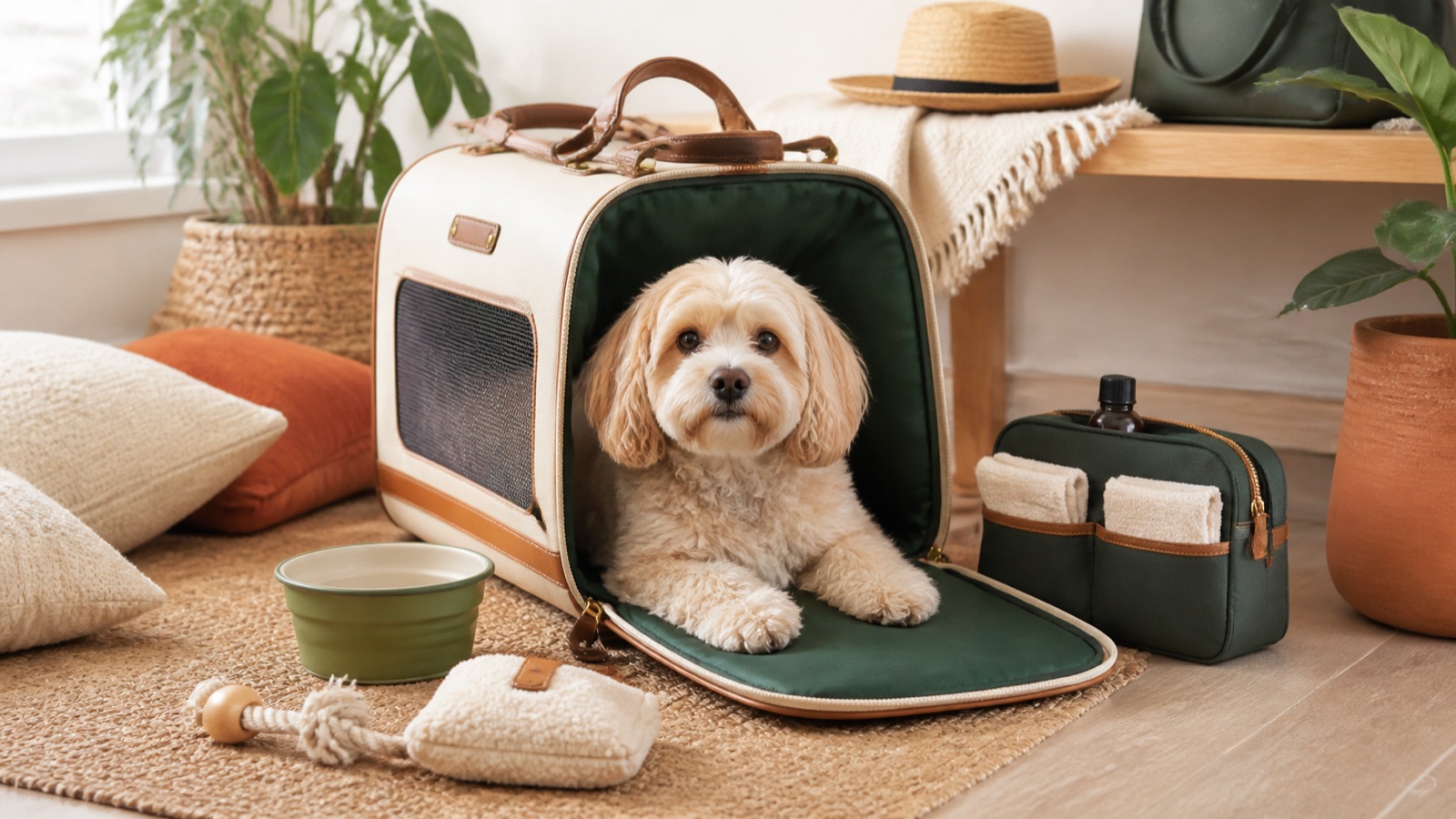
Gradually getting the cat used to its crate and preparing a safe route reduces unforeseen events on the day of departure.
Make the checkout familiar
Leave it open at home with a familiar fabric. Reward voluntary entries without immediately closing the door.
Secure the journey
The crate must be stable and properly attached. Never open the vehicle doors when the cat is free.
Prepare the documents
For long or international travel, check identification, vaccinations, passport and destination rules with official sources and your veterinarian.
These tips are general and do not replace the advice of a veterinarian or other qualified professional.
Practical tips to remember
Leave the crate open in the house several days before departure. Add a familiar fabric and reward voluntary entry, without immediately closing the door.
Adapt the equipment to your animal
In the car, the body must be stable and secured. Prepare water, mattress pad, veterinarian contact details and identification documents for long journeys.
- Observe your pet's habits and real needs.
- Choose dimensions adapted to your size and mobility.
- Check stability, maintenance and location.
- Introduce new equipment gradually.
See transport bags and crates → Request personalized advice →
These tips are general and do not replace the advice of a veterinarian or other qualified professional.
Related items in this guide
 Transparent carrying backpackTransporting cats and dogs →
 Transportation and travel solutionsChoose according to route and size →
Useful keywords: cat transport bag, transport box, traveling with an animal, secure transport. Also find our cat accessories, our dog equipment and the downloadable PetShopCenter catalog.
Exploring this topic in more detail on a daily basis
Each animal has its own habits. Start by observing when the need arises, then modify one element at a time. This method allows you to understand what truly improves its comfort without making unnecessary changes.
Regularly check the condition of the accessories, their stability, and their cleanliness. The dimensions must remain appropriate for the animal's age, weight, and mobility. A well-placed setup is often better utilized than more complex equipment installed in a remote location.
Building a Sustainable Routine
Introduce anything new gradually and always allow for a return to normal. Associate the equipment with a calm, stress-free experience. If a change in behavior, appetite, mobility, or elimination persists, consult a veterinarian.
- Observe before modifying the environment.
- Prioritize stability, maintenance, and appropriate dimensions.
- Respect the animal's rhythm.
- Regularly reassess the setup.