
Animal welfare: recognizing a change in behavior
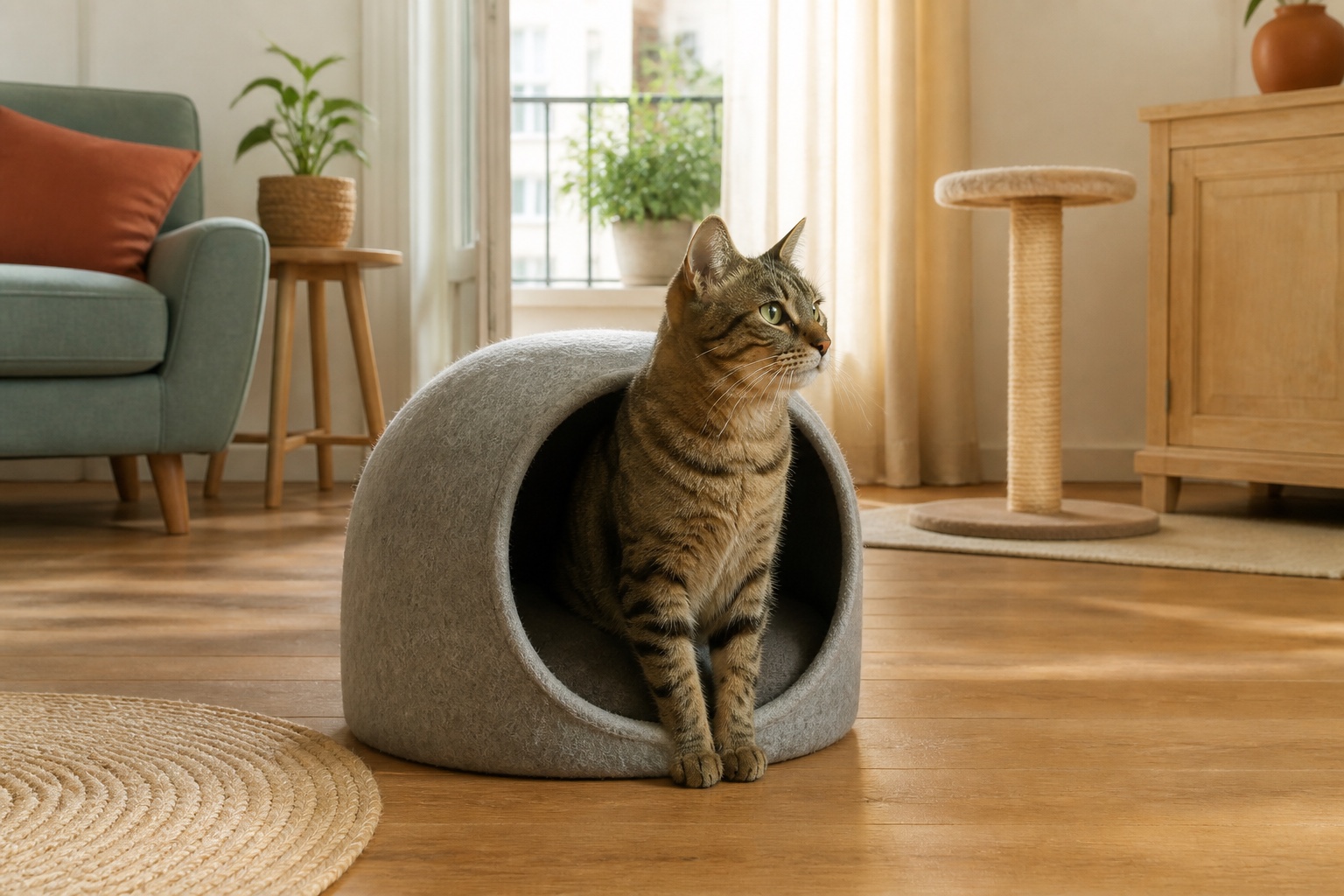
Observing changes without making a self-diagnosis
A decrease in activity, unusual isolation, a change in appetite or sleep patterns can have many causes. Note the context, duration, and frequency in order to provide accurate information to the veterinarian.
Maintaining daily routines
Maintain regular schedules, a quiet sleeping area, and easy access to water. For a cat, hiding places and high spots can help restore a sense of security.
When to seek advice
A sudden, prolonged change, or one accompanied by a physical sign, requires veterinary advice. Never use a medication intended for humans.
This general advice is not a substitute for veterinary advice.
Related items in this guide


Useful keywords: cat tree, cat house, cat furniture, scratching post, and bed. Also check out our cat accessories, our dog equipment and the downloadable PetShopCenter catalog.
Exploring this topic in more detail on a daily basis
Each animal has its own habits. Start by observing when the need arises, then modify one element at a time. This method allows you to understand what truly improves its comfort without making unnecessary changes.
Regularly check the condition of the accessories, their stability, and their cleanliness. The dimensions must remain appropriate for the animal's age, weight, and mobility. A well-placed setup is often better utilized than more complex equipment installed in a remote location.
Building a Sustainable Routine
Introduce anything new gradually and always allow for a return to normal. Associate the equipment with a calm, stress-free experience. If a change in behavior, appetite, mobility, or elimination persists, consult a veterinarian.
- Observe before modifying the environment.
- Prioritize stability, maintenance, and appropriate dimensions.
- Respect the animal's rhythm.
- Regularly reassess the setup.
