
Scratching wheel: for which cats?
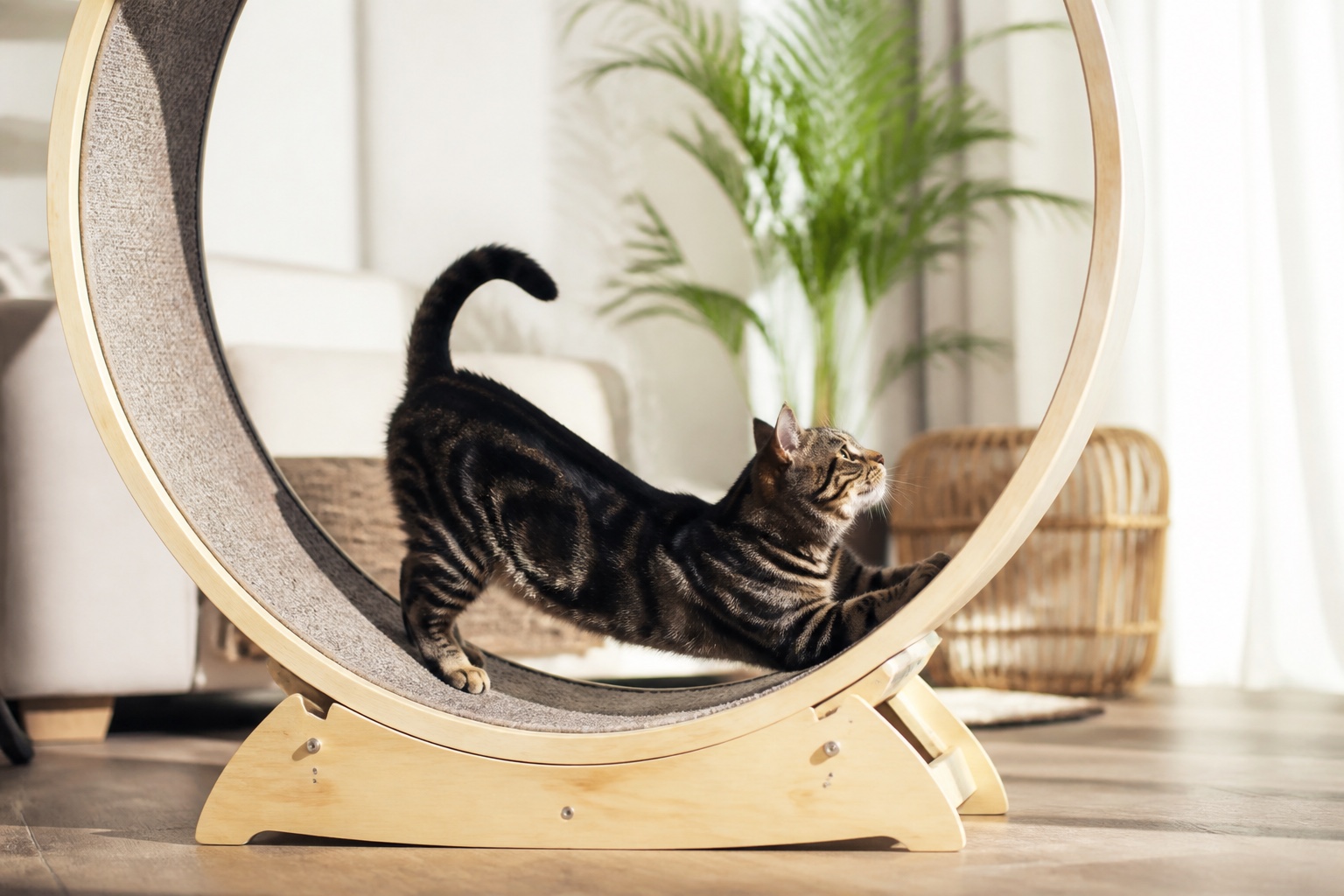
A scratching wheel offers a different surface than traditional posts and may interest cats attracted by movement.
Understand the need before choosing
Present her in a stable place, without pushing her towards the cat. Use play or some rewards to create a positive association.
Set up a simple progression
Check the mechanism, the resistance of the surface and the absence of an area where a leg could get stuck.
Mistakes to avoid
Do not remove old scratching posts immediately. A transition allows the cat to choose and prevents scratches on the furniture.
- Observe your pet's behavior and habits.
- Check dimensions, stability, maintenance and safety.
- Introduce new equipment gradually.
- Seek professional advice if a difficulty persists.
To go further
Compare the solutions according to the size, age and lifestyle of your companion. Suitable equipment must be useful on a daily basis, easy to maintain and sufficiently robust to maintain its qualities over time.
Discover associated products → Request personalized advice →
Keywords: Cat scratching wheel, scratching, cat activity. Also check out our cat accessories, our dog equipment and our Advice journal.
These tips are general and do not replace the advice of a veterinarian or other qualified professional.
Exploring this topic in more detail on a daily basis
Each animal has its own habits. Start by observing when the need arises, then modify one element at a time. This method allows you to understand what truly improves its comfort without making unnecessary changes.
Regularly check the condition of the accessories, their stability, and their cleanliness. The dimensions must remain appropriate for the animal's age, weight, and mobility. A well-placed setup is often better utilized than more complex equipment installed in a remote location.
Building a Sustainable Routine
Introduce anything new gradually and always allow for a return to normal. Associate the equipment with a calm, stress-free experience. If a change in behavior, appetite, mobility, or elimination persists, consult a veterinarian.
- Observe before modifying the environment.
- Prioritize stability, maintenance, and appropriate dimensions.
- Respect the animal's rhythm.
- Regularly reassess the setup.