
Cat hydration: fresh water, bowl and good habits
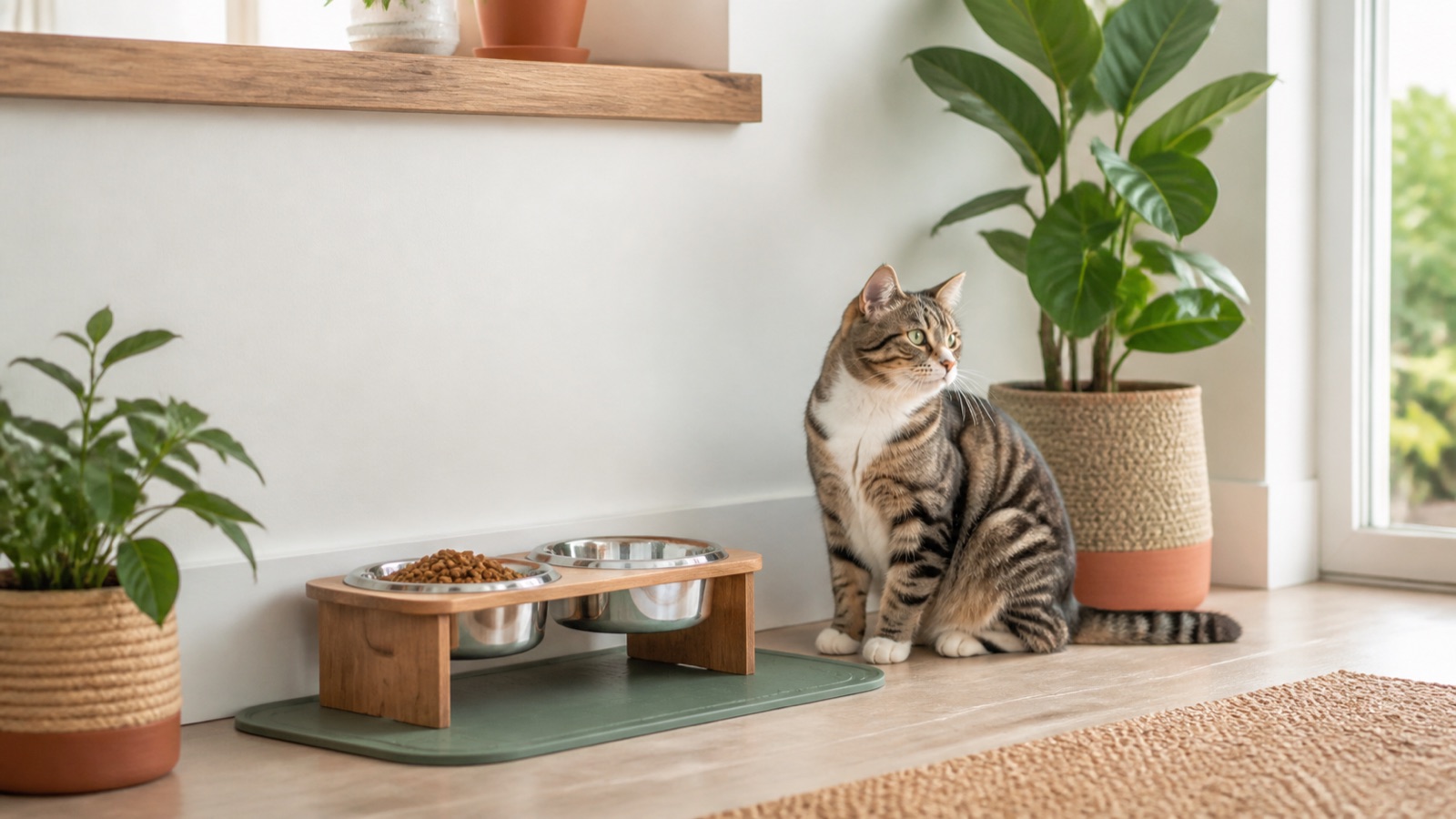
Increasing the number of water points and choosing clean, large and well-placed bowls can make water more attractive.
Keep water away from food
Many cats prefer to drink in a separate area from the meal and litter box. Offer several bowls in quiet areas.
Take care of the container
A wide bowl prevents whiskers from coming into contact with the edges. Change the water every day and clean the container regularly.
Observe without diagnosing
A sudden change in thirst can have many causes. Ask your veterinarian for advice if it is accompanied by other changes.
These tips are general and do not replace the advice of a veterinarian or other qualified professional.
Practical tips to remember
Install several calm water points and renew them every day. A wide bowl limits contact with whiskers and a stable support prevents spills.
Adapt the equipment to your animal
Just monitor your cat's usual habits. A significant and persistent variation in thirst or appetite should lead to seeking advice from the veterinarian.
- Observe your pet's habits and real needs.
- Choose dimensions adapted to your size and mobility.
- Check stability, maintenance and location.
- Introduce new equipment gradually.
See meal and water solutions → Request personalized advice →
These tips are general and do not replace the advice of a veterinarian or other qualified professional.
Related items in this guide
 Feliformia® raised bowlAvailable exclusively on Amazon →Bowls and dispensersDaily meals and hydration →
Useful keywords: raised cat bowl, stainless bowl, cat hydration, water and food dispenser. Also find our cat accessories, our dog equipment and the downloadable PetShopCenter catalog.
Exploring this topic in more detail on a daily basis
Each animal has its own habits. Start by observing when the need arises, then modify one element at a time. This method allows you to understand what truly improves its comfort without making unnecessary changes.
Regularly check the condition of the accessories, their stability, and their cleanliness. The dimensions must remain appropriate for the animal's age, weight, and mobility. A well-placed setup is often better utilized than more complex equipment installed in a remote location.
Building a Sustainable Routine
Introduce anything new gradually and always allow for a return to normal. Associate the equipment with a calm, stress-free experience. If a change in behavior, appetite, mobility, or elimination persists, consult a veterinarian.
- Observe before modifying the environment.
- Prioritize stability, maintenance, and appropriate dimensions.
- Respect the animal's rhythm.
- Regularly reassess the setup.