
Traveling by train with a cat or small dog
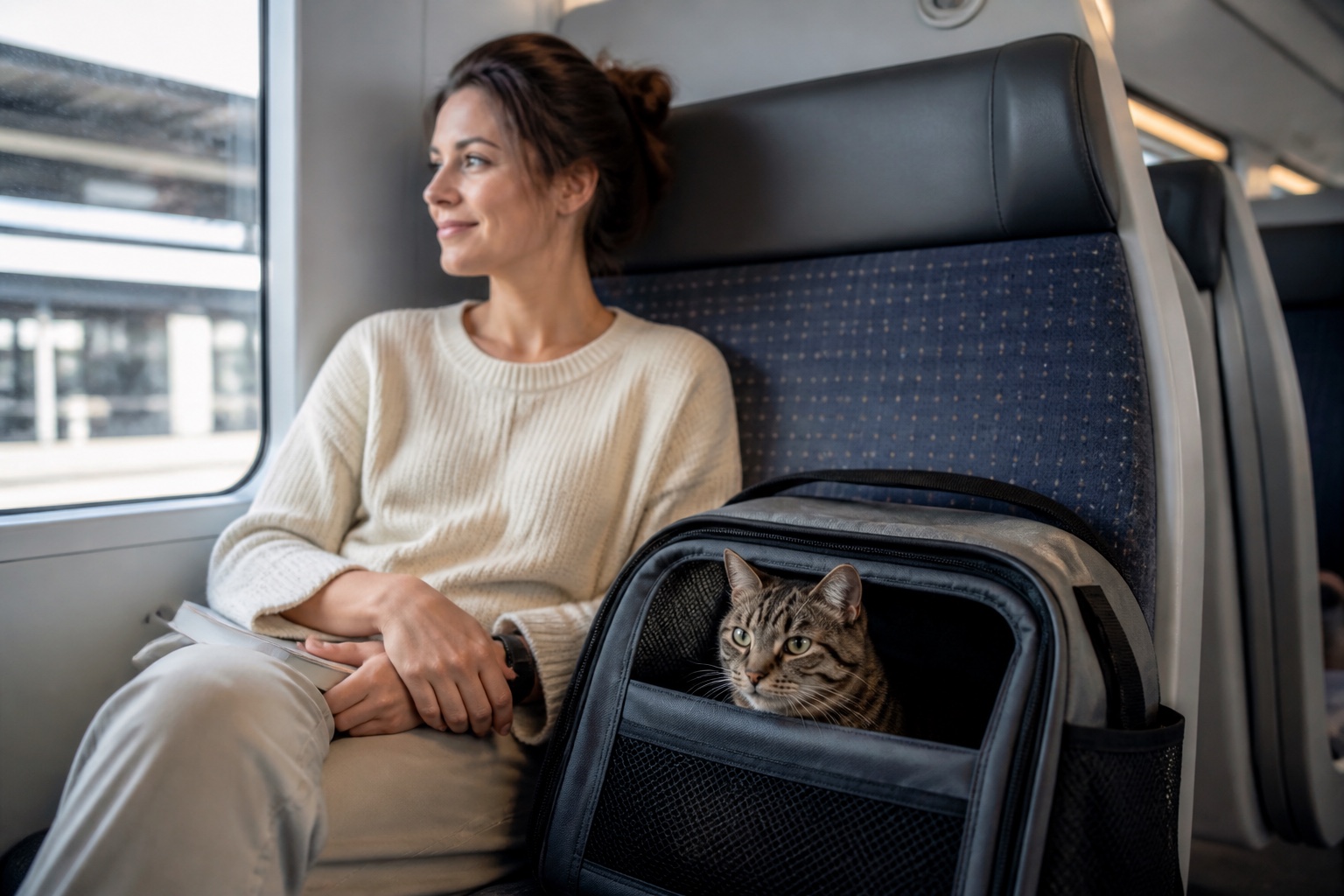
A train journey is prepared by checking the company's rules, the authorized dimensions and the needs of the animal during the journey.
Understand the need before choosing
Choose a well-ventilated container that remains easy to carry. An absorbent pad, a familiar fabric and a small reserve of water are useful depending on the length of the journey.
Set up a simple progression
Arrive early to avoid the rush. Install the bag stably, away from traffic areas and without blocking ventilation.
Mistakes to avoid
Never give a sedative without veterinary advice. Transport conditions and required documents must be checked with the company before departure.
- Observe your pet's behavior and habits.
- Check dimensions, stability, maintenance and safety.
- Introduce new equipment gradually.
- Seek professional advice if a difficulty persists.
To go further
Compare the solutions according to the size, age and lifestyle of your companion. Suitable equipment must be useful on a daily basis, easy to maintain and sufficiently robust to maintain its qualities over time.
Discover associated products → Request personalized advice →
Keywords: train with cat, small dog transport, animal travel bag. Also find our cat accessories, our dog equipment and our Advice journal.
These tips are general and do not replace the advice of a veterinarian or other qualified professional.
Exploring this topic in more detail on a daily basis
Each animal has its own habits. Start by observing when the need arises, then modify one element at a time. This method allows you to understand what truly improves its comfort without making unnecessary changes.
Regularly check the condition of the accessories, their stability, and their cleanliness. The dimensions must remain appropriate for the animal's age, weight, and mobility. A well-placed setup is often better utilized than more complex equipment installed in a remote location.
Building a Sustainable Routine
Introduce anything new gradually and always allow for a return to normal. Associate the equipment with a calm, stress-free experience. If a change in behavior, appetite, mobility, or elimination persists, consult a veterinarian.
- Observe before modifying the environment.
- Prioritize stability, maintenance, and appropriate dimensions.
- Respect the animal's rhythm.
- Regularly reassess the setup.