
Preparing for a car trip with your dog
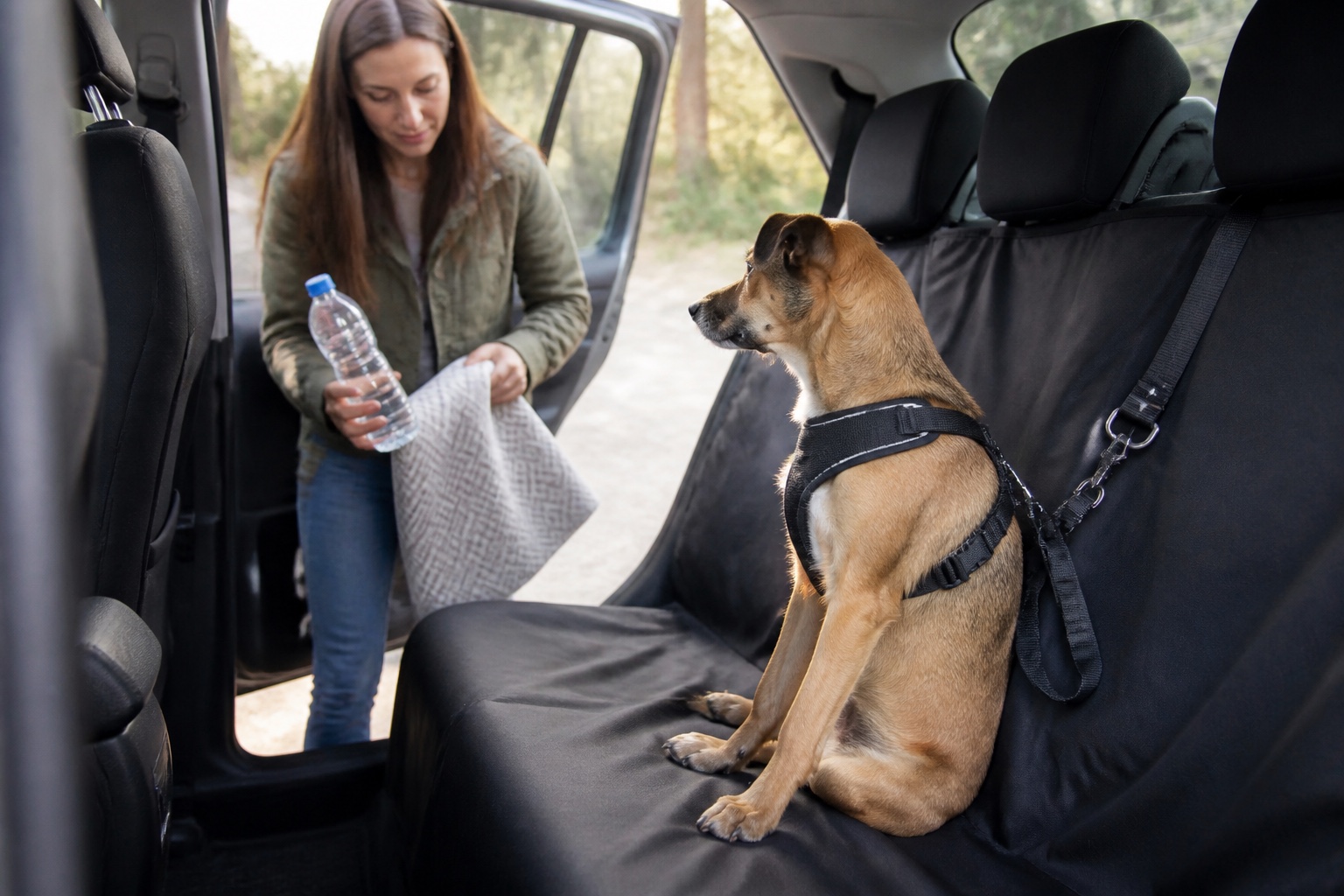
A dog must travel in a secure, stable space adapted to its size. Gradual preparation limits agitation and allows difficulties to be identified before a long departure.
Understand the need before choosing
Start with short trips combined with an enjoyable experience. Protect the vehicle, plan breaks and keep water available.
Set up a simple progression
An attached body, a suitable barrier or an approved automobile harness reduces dangerous movements in the passenger compartment.
Mistakes to avoid
Never leave the animal alone in a closed car, even in moderate weather. Also watch for signs of nausea or stress.
- Observe your pet's behavior and habits.
- Check dimensions, stability, maintenance and safety.
- Introduce new equipment gradually.
- Seek professional advice if a difficulty persists.
To go further
Compare the solutions according to the size, age and lifestyle of your companion. Suitable equipment must be useful on a daily basis, easy to maintain and sufficiently robust to maintain its qualities over time.
Discover associated products → Request personalized advice →
Keywords: dog car, dog transport safety, animal travel. Also find our cat accessories, our dog equipment and our Advice journal.
These tips are general and do not replace the advice of a veterinarian or other qualified professional.
Exploring this topic in more detail on a daily basis
Each animal has its own habits. Start by observing when the need arises, then modify one element at a time. This method allows you to understand what truly improves its comfort without making unnecessary changes.
Regularly check the condition of the accessories, their stability, and their cleanliness. The dimensions must remain appropriate for the animal's age, weight, and mobility. A well-placed setup is often better utilized than more complex equipment installed in a remote location.
Building a Sustainable Routine
Introduce anything new gradually and always allow for a return to normal. Associate the equipment with a calm, stress-free experience. If a change in behavior, appetite, mobility, or elimination persists, consult a veterinarian.
- Observe before modifying the environment.
- Prioritize stability, maintenance, and appropriate dimensions.
- Respect the animal's rhythm.
- Regularly reassess the setup.